Published
- 5 min read
Richest Man in Babylon: Wealth and Discipline Lessons
Introduction
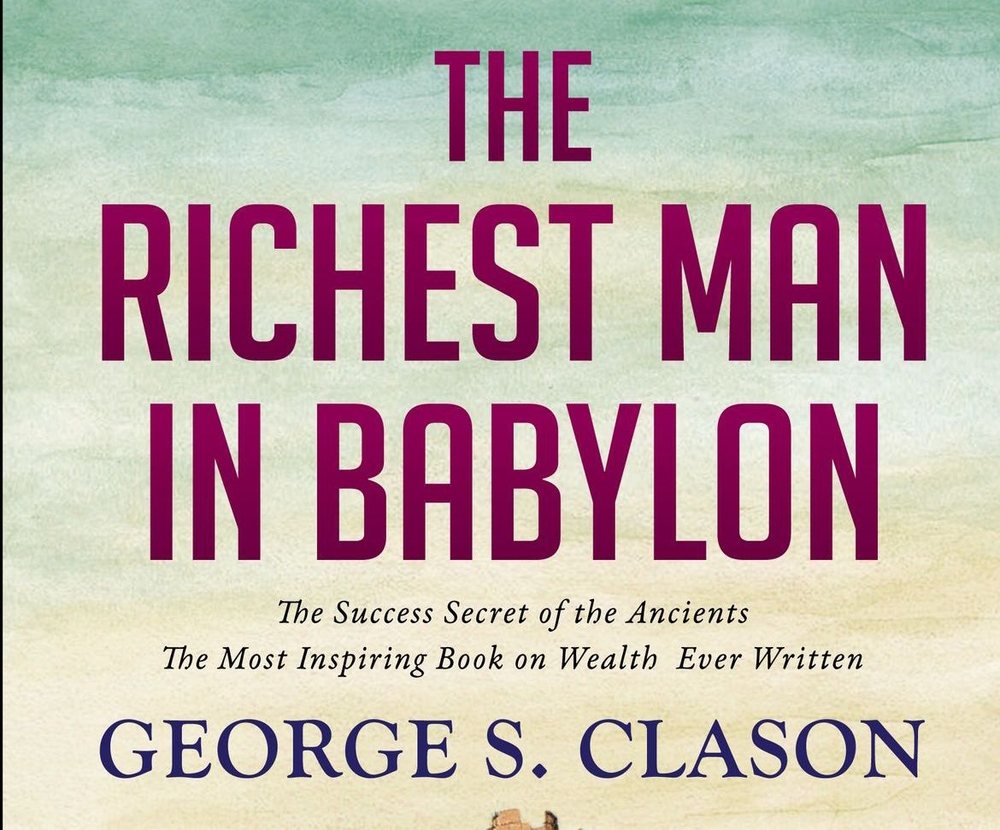
The Richest Man in Babylon by George S. Clason is not just a book about money; it’s a blueprint for life, discipline, and resilience. Though written decades ago, its lessons are timeless: no matter your background, education, or starting point, you can grow wealth, control your destiny, and build a life of freedom by following simple principles consistently.
For anyone struggling with uncertainty, low resources, or a lack of direction, this book teaches that financial growth is a mental game first. Wealth starts with habits, not salaries.
The Core Principle: Start Thy Purse to Fattening
Babylon’s richest man, Arkad, repeatedly stresses:
“A part of all you earn is yours to keep.”
No matter your income — small, moderate, or large — the first step to wealth is to pay yourself first. Set aside a fraction of your earnings, even if it feels uncomfortable.
For example, if you earn ₹50,000 per month, starting with 10% saved might feel tight, but that is the seed that compounds. Over time, the habit of saving consistently becomes the foundation for true financial freedom.
Takeaway: Consistency beats cleverness. Small disciplined steps every month build far more wealth than sporadic big wins.
Control Thy Expenditures: Live Below Your Means
Many young professionals feel trapped by rising costs, inflation, and peer pressure. Babylon teaches that expenses must never exceed earnings, and luxuries must be secondary.
- Track your spending.
- Distinguish needs from wants.
- Avoid lifestyle inflation — a bigger paycheck should not equal bigger immediate spending.
This is not about deprivation; it’s about prioritizing long-term freedom over short-term gratification. Living frugally while investing in yourself is the hallmark of compounding wealth.
Make Thy Gold Multiply: The Power of Compounding
Arkad teaches that wealth does not grow by hoarding — it grows by putting money to work. Investments, business ventures, and knowledge are your tools to make money multiply.
- Savings alone are not enough; they must earn.
- Invest in low-risk, high-certainty ventures.
- Reinvest returns to leverage compounding.
Imagine saving ₹5,000 per month and investing wisely with a modest 8% annual return. In 10 years, thanks to compounding, your corpus grows far beyond the sum of your contributions. This is financial mathematics in action, not magic.
Guard Thy Treasures from Loss: Risk Management
Babylon teaches prudence: never invest in schemes you do not understand. Many young people chase hype, crypto, or high-return schemes without discipline. Arkad warns:
“Guard your treasures from loss by seeking counsel from those competent in handling money.”
- Always research before committing capital.
- Diversify to minimize risk.
- Avoid debt traps and emotional investments.
This lesson is as much about life as it is about money. Decisions made impulsively or without knowledge often lead to setbacks, but careful planning ensures steady growth.
Make of Thy Dwelling a Profitable Asset
One of the lesser-known lessons is homeownership and asset-building. Babylon emphasizes having a safe and productive dwelling:
- Secure a base of operations (your “home” or infrastructure).
- Ensure it contributes to stability, not stress.
- Avoid overspending on status symbols that drain resources.
In modern life, this translates to investing in property or personal infrastructure wisely, always balancing growth with security.
Insure a Future Income: Plan Ahead
Arkad stresses the importance of long-term planning:
- Save for retirement or unexpected events.
- Build a safety net.
- Invest in skills that ensure ongoing earning potential.
Financial freedom is not about luck; it is about preparation and foresight. A disciplined person today avoids crises tomorrow.
Increase Thy Ability to Earn: Skill and Knowledge
Babylonian wisdom highlights self-investment:
“Cultivate thy own powers, seek wisdom, and multiply thy earning potential.”
- Learn new skills.
- Study markets and industries.
- Focus on continuous improvement.
Even if your starting resources are low, your knowledge, skill, and network compound like money. Every hour invested in learning today pays off exponentially in the future.
Lessons Applied: Mindset for Young Hustlers
Here’s how these ancient principles map to modern life:
- Start small, stay disciplined: Save first, no excuses. Compounding works silently.
- Frugality is a superpower: Live below your means, focus on growth, not consumption.
- Invest wisely: Knowledge, capital, and time are your “gold.”
- Risk management: Avoid the flashy trap; understand your investments.
- Continuous learning: The more you know, the higher your earning potential.
- Patience and persistence: Wealth is earned over decades, not months.
Why This Resonates Today
In today’s world of inflation, currency devaluation, and social pressure, Babylonian wisdom is more relevant than ever. Many young professionals:
- Work tirelessly yet fail to save.
- Churn through high-interest debt.
- Consume knowledge without action.
- Forget that every small consistent effort compounds.
The difference between average and extraordinary lives often boils down to discipline, habit, and consistency — all core themes of this book.
Conclusion
The Richest Man in Babylon is not a book about riches alone. It’s a manual for life mastery, discipline, and consistency. By applying its lessons:
- Start saving first.
- Live below your means.
- Make your capital work for you.
- Guard against foolish risks.
- Continuously improve yourself.
Even if you are starting from nothing, these timeless principles can transform your life. Wealth, freedom, and stability are a series of disciplined choices compounded over time.
“Gold comes gladly and in increasing quantity to any man who will put by not less than one-tenth of his earnings to create an estate for his future and that of his family.” — George S. Clason